

Event photography is about more than capturing moments—it is about telling a complete story through images. From corporate conferences to weddings and live performances, successful event photography requires preparation, technical skill, and an eye for detail. The following five tips will help you consistently deliver high-quality, visually compelling results. 1. Prepare Thoroughly Before the Event Preparation is the foundation of successful event photography. Key Preparation Steps Knowing what to expect allows you to capture moments confidently and without disruption. 2. Master Lighting in Every Environment Lighting conditions at events can change rapidly. Lighting Best Practices Proper lighting control ensures sharp, professional-quality images. 3. Capture Candid Moments and Emotions Authentic moments create the most impactful event photographs. How to Capture Natural Shots Candid images tell the real story of the event and feel more engaging to viewers. 4. Focus on Composition and Framing Strong composition elevates even simple scenes. Composition Techniques Thoughtful framing adds depth and visual balance to your photographs. 5. Edit Consistently for a Polished Final Look Post-processing completes the storytelling process. Editing Essentials Consistent editing creates a cohesive, professional gallery that reflects the quality of the event. Conclusion Stunning event photography is the result of careful planning, technical expertise, and creative observation. By preparing thoroughly, managing lighting effectively, capturing genuine moments, applying strong composition, and editing with consistency, photographers can deliver compelling visuals that leave a lasting impression.
Why Drone Cinematography Is a Game Changer
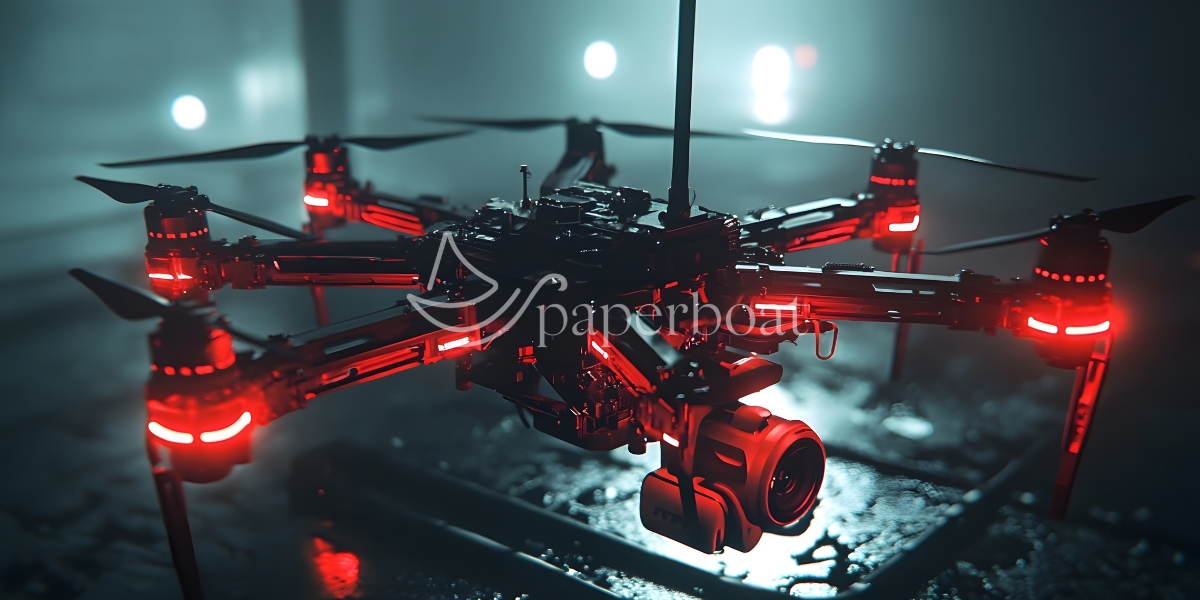
Drone cinematography has transformed the way visual stories are told. What was once only possible with helicopters and large production budgets is now accessible, efficient, and visually striking. From corporate films to real estate, tourism, and events, drones have redefined modern video production. 1. Aerial Perspectives That Elevate Storytelling Drones capture dynamic angles and sweeping aerial shots that immediately enhance visual appeal. Key Advantages These perspectives help brands stand out and create a lasting impression. 2. Cost-Effective Alternative to Traditional Aerial Filming Previously, aerial footage required helicopters, pilots, and extensive permits. How Drones Reduce Costs This makes high-quality aerial footage accessible to businesses of all sizes. 3. Versatility Across Multiple Industries Drone cinematography is not limited to filmmaking alone. Common Use Cases Its adaptability makes it a valuable asset across industries. 4. Enhanced Production Efficiency Drones streamline the filming process and reduce production time. Efficiency Benefits Faster production leads to quicker project delivery and improved client satisfaction. 5. Improved Safety and Accessibility Drones can capture footage in locations that may be unsafe or inaccessible for camera crews. Safety Advantages This ensures high-quality visuals without compromising safety. 6. High-Resolution Footage for Professional Results Modern drones are equipped with advanced camera technology. Technical Capabilities The result is professional-grade content suitable for corporate and broadcast use. 7. Stronger Audience Engagement Aerial visuals naturally capture attention and increase viewer engagement. Marketing Impact Drone footage enhances storytelling and drives better marketing outcomes. Conclusion Drone cinematography is a true game changer because it combines creativity, efficiency, safety, and cost-effectiveness. By offering breathtaking visuals and flexible production capabilities, drones have become an essential tool for modern video production and brand storytelling. Businesses that embrace drone cinematography gain a powerful visual advantage in an increasingly competitive digital landscape.

How to Plan the Perfect Corporate Video
Corporate videos have become a powerful communication tool for brands looking to educate, engage, and convert their audience. Whether you are creating a brand story, product overview, training video, or promotional content, success depends largely on planning. A well-planned corporate video ensures clarity, consistency, and measurable results. This guide outlines a step-by-step approach to planning the perfect corporate video. 1. Define the Purpose of Your Corporate Video Before any creative work begins, you must clearly define why the video is being made. Common Corporate Video Goals A clearly defined purpose will guide every decision, from scripting to distribution. 2. Identify Your Target Audience Understanding your audience ensures your message resonates with the right viewers. Key Questions to Ask Tailoring the content to your audience improves engagement and retention. 3. Craft a Clear and Compelling Message A strong corporate video delivers one core message, not many competing ideas. Best Practices for Messaging Clarity is more effective than complexity. 4. Write a Professional Video Script The script is the backbone of your corporate video. Elements of a Strong Script Write in a conversational tone and avoid unnecessary jargon unless required by the audience. 5. Choose the Right Video Style and Format Different goals require different video formats. Popular Corporate Video Styles Choose a style that aligns with your brand identity and message. 6. Plan the Visuals and Production Details Pre-production planning saves time and cost during filming. Key Production Considerations Thorough planning minimizes errors during production. 7. Set a Realistic Budget and Timeline Budget and timelines should align with your objectives and expectations. Budget Factors to Consider A realistic timeline ensures quality without rushed execution. 8. Focus on High-Quality Editing and Post-Production Post-production transforms raw footage into a polished final product. Post-Production Essentials Quality post-production enhances credibility and professionalism. 9. Optimize the Video for Distribution A great video is ineffective without proper distribution. Key Distribution Channels Optimize video length, format, and captions based on the platform. 10. Measure Performance and Improve Future Videos Tracking performance helps refine future video strategies. Metrics to Track Use data insights to continuously improve your corporate video content. Conclusion Planning the perfect corporate video requires strategic thinking, clear messaging, and careful execution. By defining your goals, understanding your audience, and focusing on quality at every stage, you can create a corporate video that strengthens your brand and delivers measurable results. A well-planned video is not just content—it is a long-term business asset.